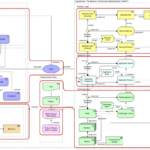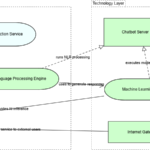


Enterprise Architecture is under growing pressure to respond faster, communicate more clearly, and stay aligned with constant change. Traditional modeling approaches, built around manual diagram editing, struggle to meet these expectations. As a result, architecture often lags behind strategy rather than shaping it.
Conversational modeling and instant diagram refinement represent a fundamental shift. Instead of manually updating diagrams, architects describe intent in plain language and let AI apply changes instantly. This approach is redefining how architecture is created, maintained, and used across the organization.
Why Enterprise Architecture Must Evolve
Business environments change rapidly. Digital initiatives, regulatory demands, and technology upgrades happen in parallel. Yet Enterprise Architecture practices often rely on static diagrams updated weeks after decisions are made.
This mismatch creates friction. Stakeholders lose confidence in models that do not reflect reality. Architects spend more time maintaining diagrams than advising on strategy.
To remain relevant, EA must evolve from a documentation-focused activity into a responsive, continuously updated discipline.
Conversational Modeling as a New Interaction Paradigm
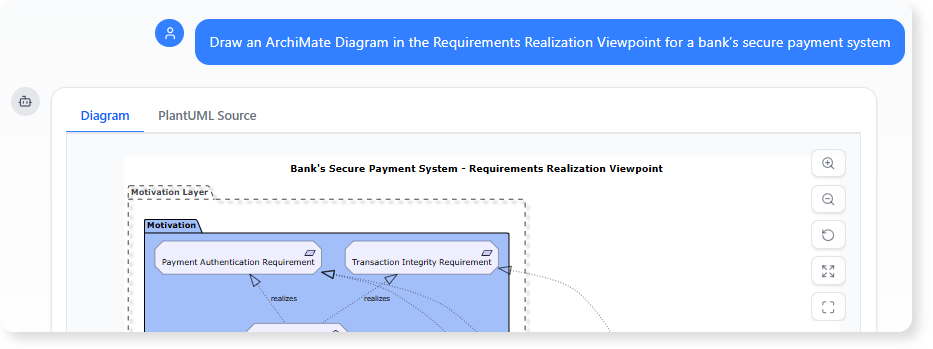
Conversational modeling changes how architects interact with models. Instead of manipulating visual elements, architects interact with an AI through natural language.
A prompt such as “Update this process to use a cloud-based service” becomes enough to trigger coordinated updates. The AI interprets intent, applies modeling rules, and refines diagrams automatically.
This removes the need to think about layout, notation placement, or relationship routing. The architect remains focused on meaning and outcomes.
From Static Models to Living Architecture
Conversational modeling and instant refinement transform architecture from static documentation into a living system.
Architecture becomes something that evolves continuously, shaped by conversations, planning sessions, and ongoing change. Models no longer represent a snapshot in time. They reflect the current understanding of how the organization operates and where it is heading.
This shift increases trust in architecture and encourages stakeholders to use models as decision-support tools rather than historical references.
Accelerating Strategic Alignment
One of the most important impacts of conversational modeling is speed. When diagrams can be created and refined instantly, architecture keeps pace with strategic discussions.
Architects can explore alternatives during meetings, test scenarios in real time, and respond to questions immediately. This strengthens alignment between business intent and technical execution. Instead of being consulted after decisions are made, architecture becomes an active participant in shaping those decisions.
Redefining the Architect’s Role
As manual effort decreases, the architect’s role evolves. Architects spend less time maintaining diagrams and more time on analysis, guidance, and design quality.
This shift elevates the profession. Architects become facilitators of understanding, helping teams navigate complexity and make informed choices. AI does not replace architectural expertise. It amplifies it by removing friction and allowing architects to focus on high-value work.
The Technology Enabling This Future
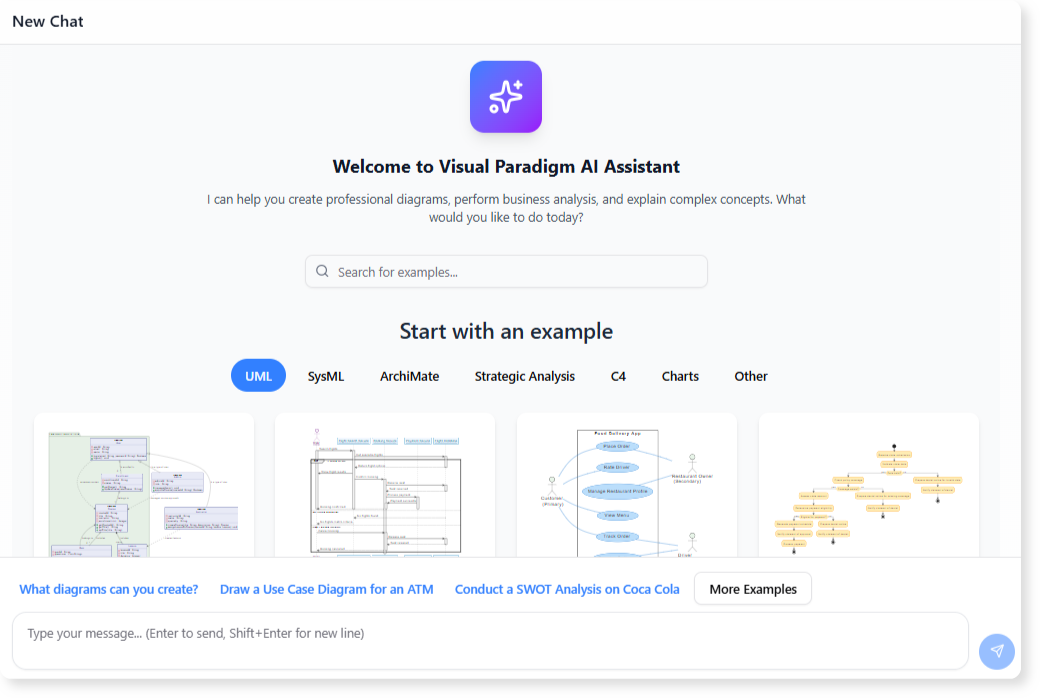
Conversational modeling and instant refinement are made possible by advances in AI, natural language processing, and model-aware automation.
Modern EA tools combine structured standards such as ArchiMate with AI capabilities that understand relationships, layers, and constraints. Tools like VP Online demonstrate how AI can be integrated into established modeling practices without sacrificing discipline.
The key is not abandoning standards, but enhancing how teams interact with them.
What This Means for EA Teams Today
The future of EA is not a distant concept. Teams can begin adopting conversational modeling today by introducing AI-assisted tools alongside existing practices.
This transition does not require abandoning current models. Instead, it enhances them by making updates easier, faster, and more consistent. As teams grow comfortable with conversational interaction, the benefits compound. Architecture becomes more current, more accessible, and more valuable.
Conclusion
Conversational modeling and instant diagram refinement represent the next evolution of Enterprise Architecture. By allowing architects to work through language rather than manual drawing, these capabilities remove long-standing barriers and align architecture with the pace of modern business.
The future of EA is not about drawing faster. It is about thinking more clearly, communicating more effectively, and ensuring that architecture remains a living guide for decision-making.